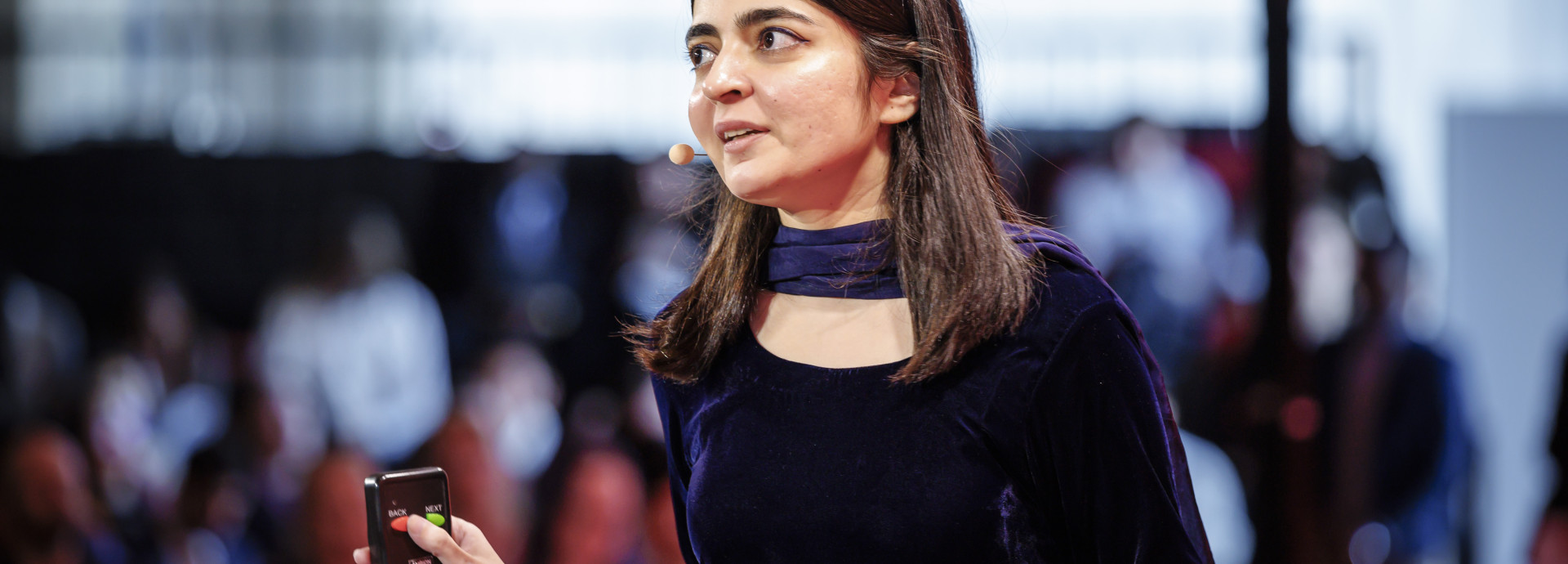
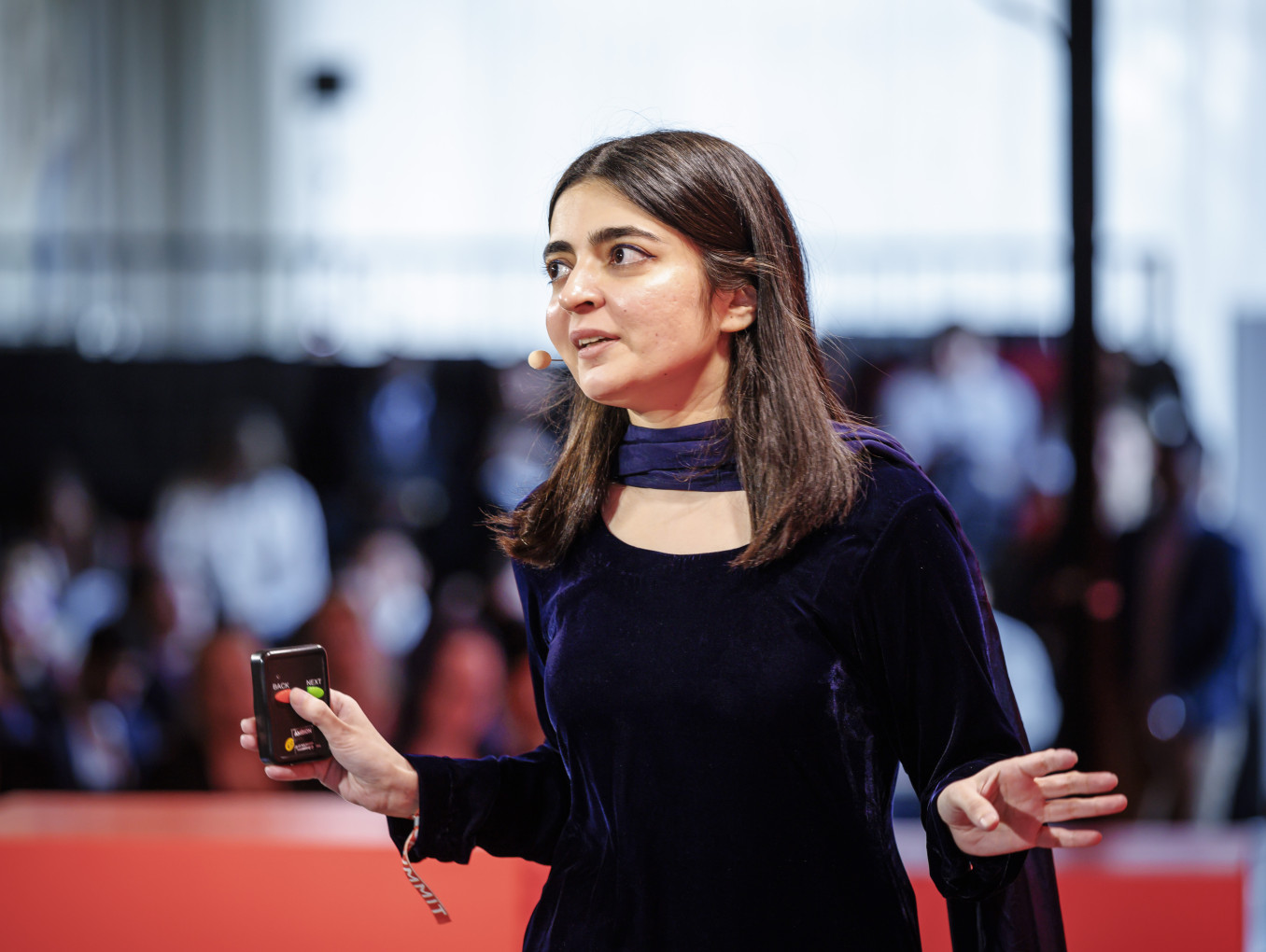
Hira Fareed - 2025 FALLING WALLS LAB FINALIST
The pioneering Pakistani researcher developing AI-powered diagnostics to make tuberculosis detection faster, cheaper and accessible to everyone
Hira Fareed is a health informatics researcher working at the intersection of artificial intelligence and healthcare. Through her project TB-AI, she is developing a digital diagnostic tool designed to detect tuberculosis more quickly and accurately using affordable technology. By transforming basic laboratory infrastructure into digital diagnostic hubs, her work aims to make reliable TB detection as accessible as a mobile phone.
Hira was selected as the winner at the Falling Walls Lab Lahore, Pakistan in 2025 and invited to present her breakthrough at the Falling Walls Science Summit in Berlin to an international audience of science leaders. We spoke to Hira about the inspiration behind TB-AI and the future of digital diagnostics.
Can you tell us about your breakthrough and the inspiration behind it?
My breakthrough is TB-AI: an AI-driven diagnostic app designed to detect tuberculosis faster, with high specificity and low development costs. The inspiration for my breakthrough came from a painful irony: Tuberculosis is curable, yet millions still suffer due to high testing costs, compromised accuracy, slow turnaround times and limited access to quality diagnostics. TB-AI was built on four core pillars: affordability, accuracy, speed and accessibility. Our goal is to ensure the timely and equitable detection of the second most fatal disease after COVID, tuberculosis.
How do you see the future of digital diagnostics? What are the next big things to happen in this field?
Currently digital diagnostics is used mainly as a screening tool. However, with greater support, we can make diagnostics fully accessible to everyone—comparable to a mobile phone. At TB-AI, we are working to transform basic rural management units with simple microscopes into fully digital diagnostic facilities, creating a new frontier in telehealth.
What real-world impact do you hope your breakthrough will have in the next 5–10 years?
In the next 5–10 years, I hope TB-AI will dramatically expand access to reliable TB diagnostics. By February 2026, we have already conducted 880,000 tests across 75 labs in Pakistan, capturing 15% of the market. Our goal is to reach the remaining market locally while exploring opportunities in the $39 million APAC and $1.1 billion MENA & Africa markets, ensuring more people can access timely, life-saving diagnostics.
In your view, what should investors/funding bodies be focusing on right now?
I believe investors should focus on health tech solutions in healthcare, as the future of the sector increasingly depends on them. This isn’t about replacing doctors, but empowering them to be more efficient, productive and able to dedicate time to research and innovation. Health tech has a rapidly growing impact, offering both meaningful real-world benefits and strong returns on investment.
How has the participation in the Falling Walls Lab supported or influenced your work?
Participating in and presenting at Falling Walls has given me valuable exposure to the European innovation landscape, particularly Germany, which is at the forefront of technology and research. As a PhD student, it has also provided meaningful networking opportunities and connections directly relevant to my work. The Falling Walls community continues to open doors, offering ongoing opportunities to collaborate, learn and advance my research.
What are the next walls to fall? And, in your view, what are the next walls which should fall?
In my field, the next walls to fall are in the diagnosis of non-tuberculous mycobacteria (NTM). NTMs are often “visible but invisible”—frequently undetected despite causing chronic lung disease and treatment delays. With prevalence rising globally, affecting up to 10% of patients with chronic lung conditions, focusing on NTM detection is critical to expanding digital diagnostics beyond TB and improving patient outcomes.
And, finally, how can digital diagnostics bridge the gap in healthcare access for underserved populations?
Digital diagnostics like TB-AI can bridge the healthcare gap by bringing accurate, affordable and timely testing tool to underserved populations, including rural and low-resource communities. By converting basic healthcare units into digital diagnostic hubs and leveraging mobile technology, we can ensure that anyone anywhere has access to life-saving tests without pivoting the existing infrastructure. This approach not only improves early detection and treatment but also empowers healthcare systems to serve more people efficiently.