Breaking the Wall of the Ethnic Growth Trap
Breaking the Wall of the Ethnic Growth Trap
Global Call 2026 Finalist Interview: Social Sciences & Humanities
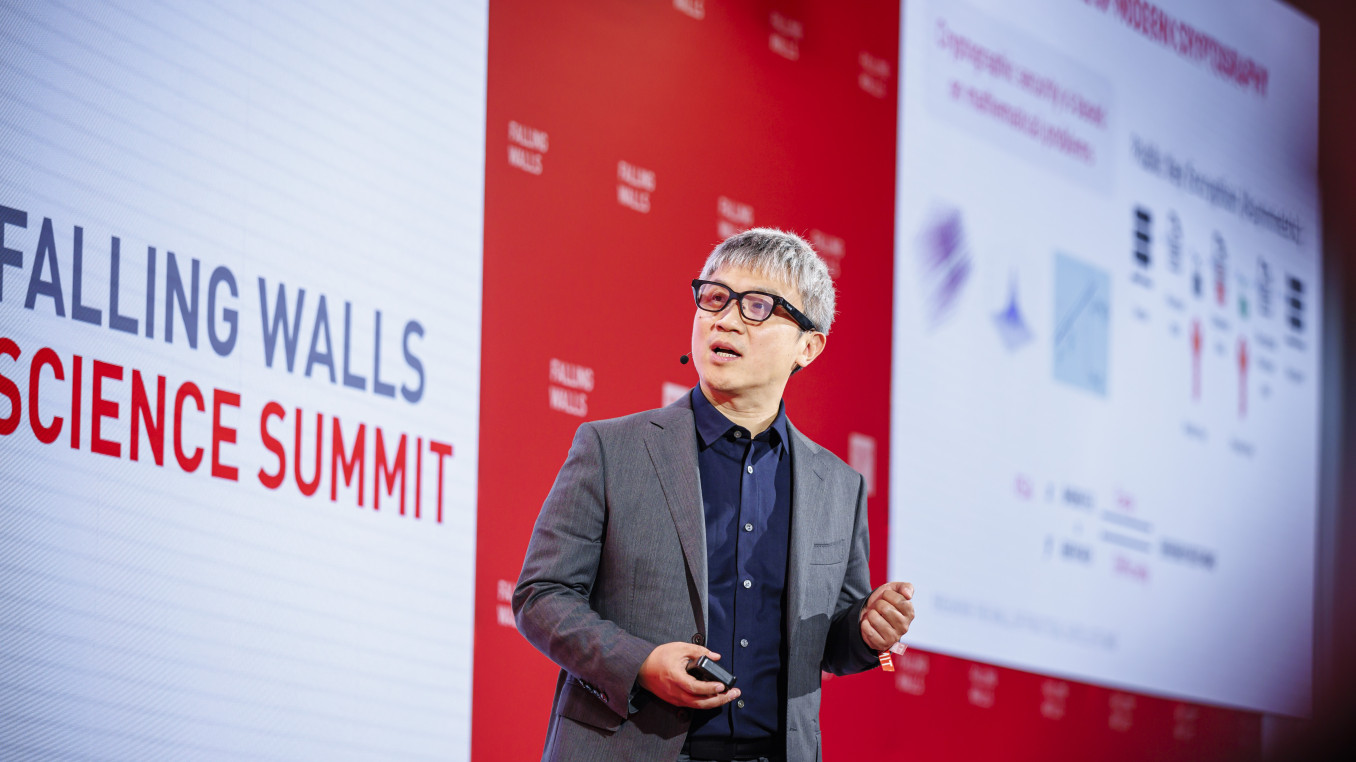
Saumitra Jha is Associate Professor of Political Economy at the Stanford Graduate School of Business, a Senior Fellow at the Freeman-Spogli Institute and convenes the Stanford Conflict and Polarization Lab. Jha’s award-winning research, published in the leading journals in both economics and political science, focuses on how economic, financial and organizational innovations can be used to mitigate violence and foster development. Jha was also honored to receive the Teacher of the Year Award, voted by the students of the Stanford GSB Sloan Fellows Program.
Which wall does your research or project break?
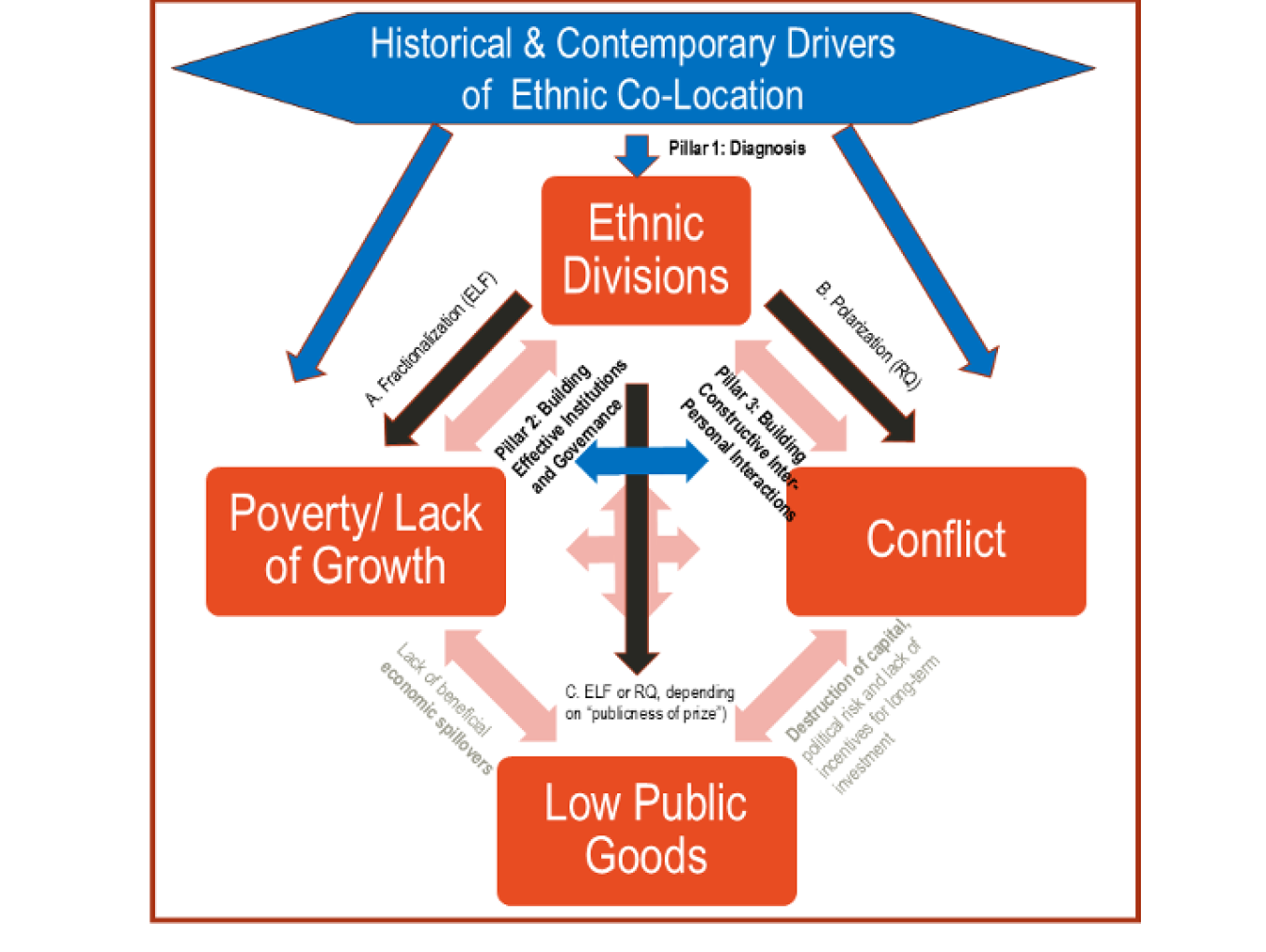
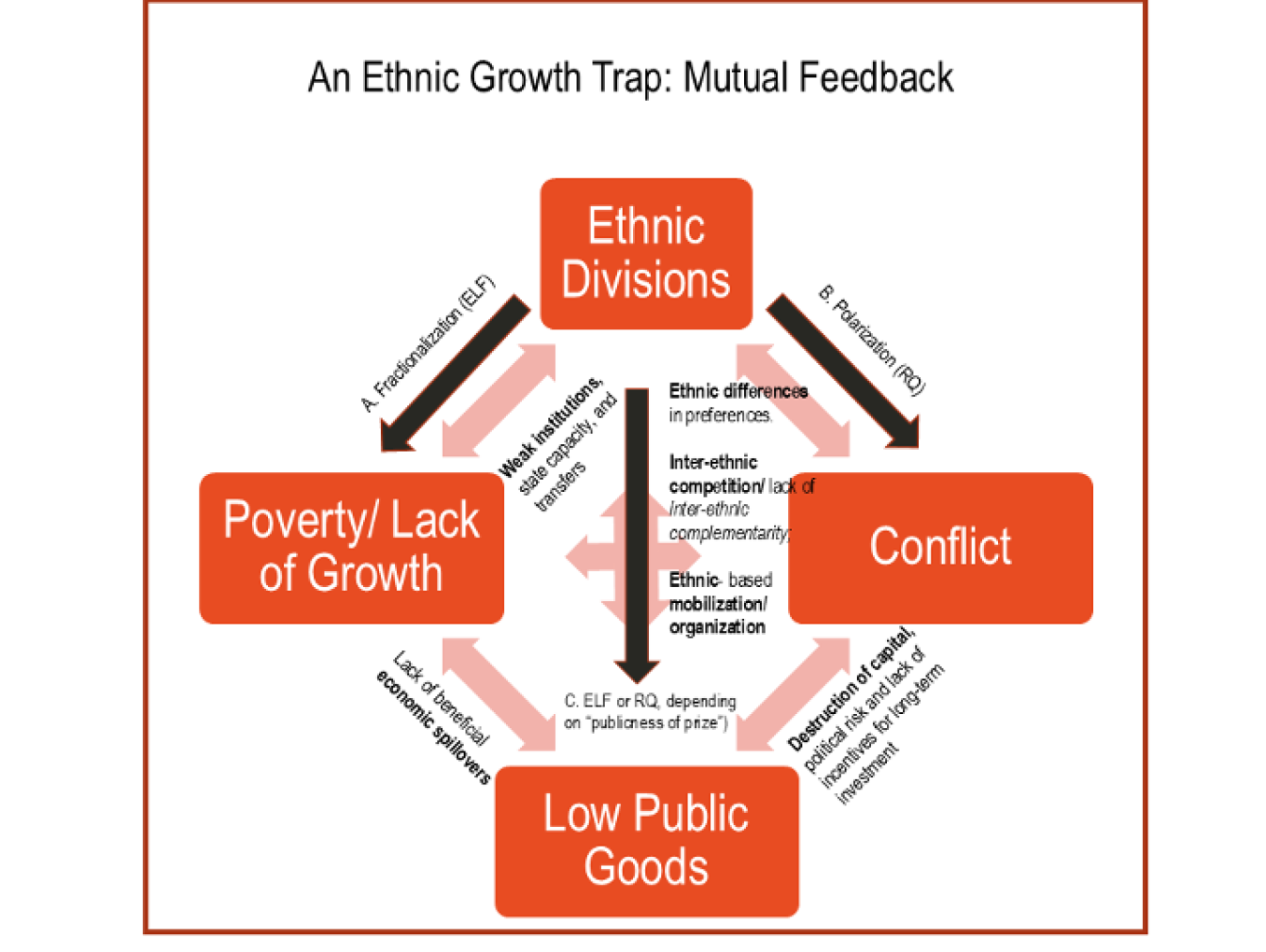
Around the world, a key question policymakers must address is how to build prosperous and peaceful societies in the face of increasing ethnic diversity. Richer countries encounter increasingly polarized debates revolving around immigration and openness, even while poorer countries contend with managing both pre-existing and emerging ethnic differences. These are not easy challenges. In fact, poorer societies often confront the walls of what I call an ethnic growth trap: many poor ethnically—divided societies arguably remain poor precisely because they struggle to overcome political challenges that are accentuated by their ethnic divisions. Yet, these are also old challenges, and, around the world, some societies have proven successful at breaking through these walls throughout history. This project focuses on rigorously understanding how this was done in the past, and to derive new lessons and approaches we can apply in the present.
What is the main goal of your research or project?
The main goal of my project is understand the nature of the ethnic growth trap that leads many poor societies to remain poor, and to derive new lessons from historical cases and contemporary experiments for how societies can break out of these traps and leverage the potential gains to be had from diversity instead. Ethnically divided societies are systematically among the world’s poorest. I provide a pathfinding synthesis for understanding why--- the presence of "ethnic growth traps": many poor ethnically-divided societies remain poor precisely because they struggle to overcome political challenges that are accentuated by their ethnic divisions. However, these challenges are both very old and very current. I therefore draw upon the state of the art research and my own novel findings from historical natural experiments and modern field experiments to point both to practical ways policymakers can help break through the ethnic growth trap as well as setting the agenda for future research. These include the development of inter-ethnic business incubators that leverage complementarity between ethnic groups, inter-ethnic financial exposures that can align interests towards inter-ethnic peace, and the leveraging of the organizational capacity of traditional and modern institutions to build the foundations for peace.
What impact does your research or project have on society?
I provide a novel unified concept- the ethnic growth trap- and a novel unified framework both for understanding why ethnic divisions, political conflict, and lack of investment lead to feedback loops that reinforce ethnic divisions and lack of development, as well as providing new policy ideas, based in large part on my own novel research, for breaking through the walls of the ethnic growth trap. These include the inter-ethnic incubators, tailored financial exposures and institutional approaches mentioned above. This research was commissioned by the Reducing Conflict and Improving Performance in the Economy (ReCIPE) Initiative, co-sponsored by the UK Foreign Commonwealth and Development Office and the Center for Economic Policy Research, in order to provide practical new ideas for policymakers that are currently tackling these crucial issues and to set the agenda for future research.
What advice would you give to young scientists or students interested in pursuing a career in research, or to your younger self starting in science?
I have been incredibly fortunate to have had great teachers and mentors. Beyond, of course, being brilliant, the most inspiring all share some key characteristics-they remain incredibly humble, stay curious and retain a willingness to learn from everyone.
These are characteristics I think we can all aspire to emulate. It is also worth recognizing that it can be a tricky balance to keep such an open mind while still staying focused on developing expertise and tackling the issues that we believe matter the most. But as their examples show, it can allow for the real joy of continuing to learn and discovering new links and connections between ideas and approaches that no one may have seen before.