Breaking the Wall of Autoimmune Diseases
Breaking the Wall of Autoimmune Diseases
Global Call 2026 Finalist Interview: Life Sciences
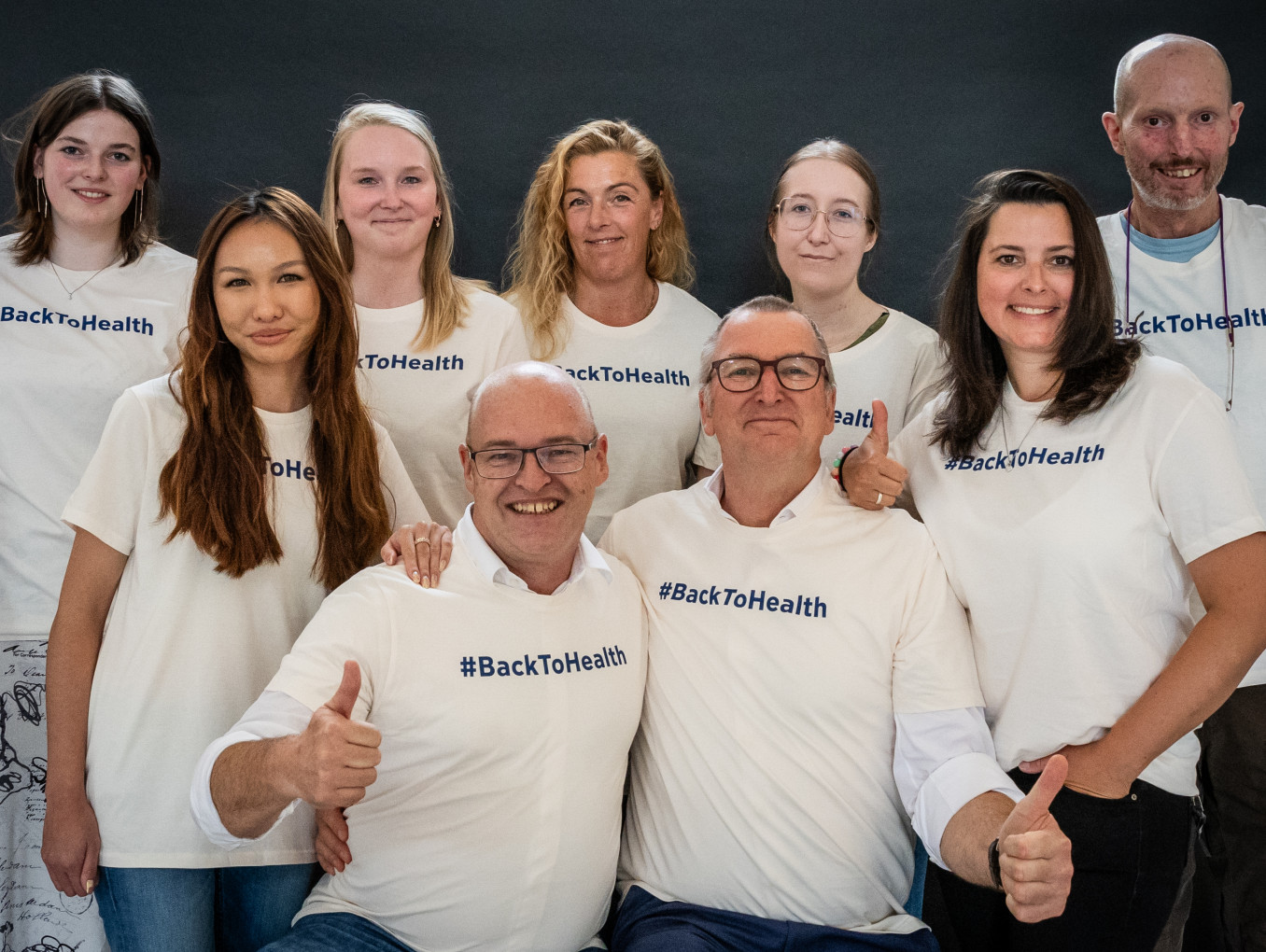
Georg Schett's research focuses on understanding and treating autoimmune diseases, with the goal of moving from lifelong immunosuppression toward curative therapies. He pioneered the use of CD19 CAR T cells in severe autoimmune diseases, demonstrating that deep depletion of disease-causing immune cells can reset the immune system and enable sustained, drug-free remission. His work advances cell-based therapies as a new treatment paradigm for autoimmune diseases.
Which wall does your research or project break?
Our approach breaks the traditional dogma of lifelong immunosuppression by applying cell-based technologies from oncology to autoimmune diseases. We use CAR T cells and T-cell engagers to selectively eliminate pathogenic immune cells and reset the immune system. This strategy moves beyond symptom control to target the root cause and enables sustained, drug-free remission instead of temporary symptom control and long-term treatment burden.
What is the main goal of your research or project?
We pioneer a curative approach for autoimmune diseases by creating living drugs from the body’s own T-cells. Using CAR T cells, we selectively eliminate pathogenic immune cells and reset the immune system. In parallel, we advance T-cell engagers as complementary immunotherapies. Clinical results demonstrate sustained, drug-free remission, moving beyond lifelong immunosuppression toward transformative treatment strategies.
What impact does your research or project have on society?
Our research establishes a new field of cell-based immune reset therapies and expands the use of advanced immunoengineering beyond oncology. It provides a translational framework linking mechanistic immunology with clinical application and is already driving international clinical studies. In the long term, it will shape therapeutic development, trial design, and interdisciplinary research across immunology, biotechnology, and clinical medicine.
What advice would you give to young scientists or students interested in pursuing a career in research, or to your younger self starting in science?
Be curious, think beyond established boundaries, and have the courage to challenge existing concepts. Science advances when we ask questions others have not asked and are willing to take well-considered risks to answer them. Seek collaboration across disciplines, learn from unexpected results, and never lose sight of how your research can make a difference for people.