Science Breakthroughs Success Stories: Robertina Šebjanič
Global Call Category: Science Breakthrough in Art and Science
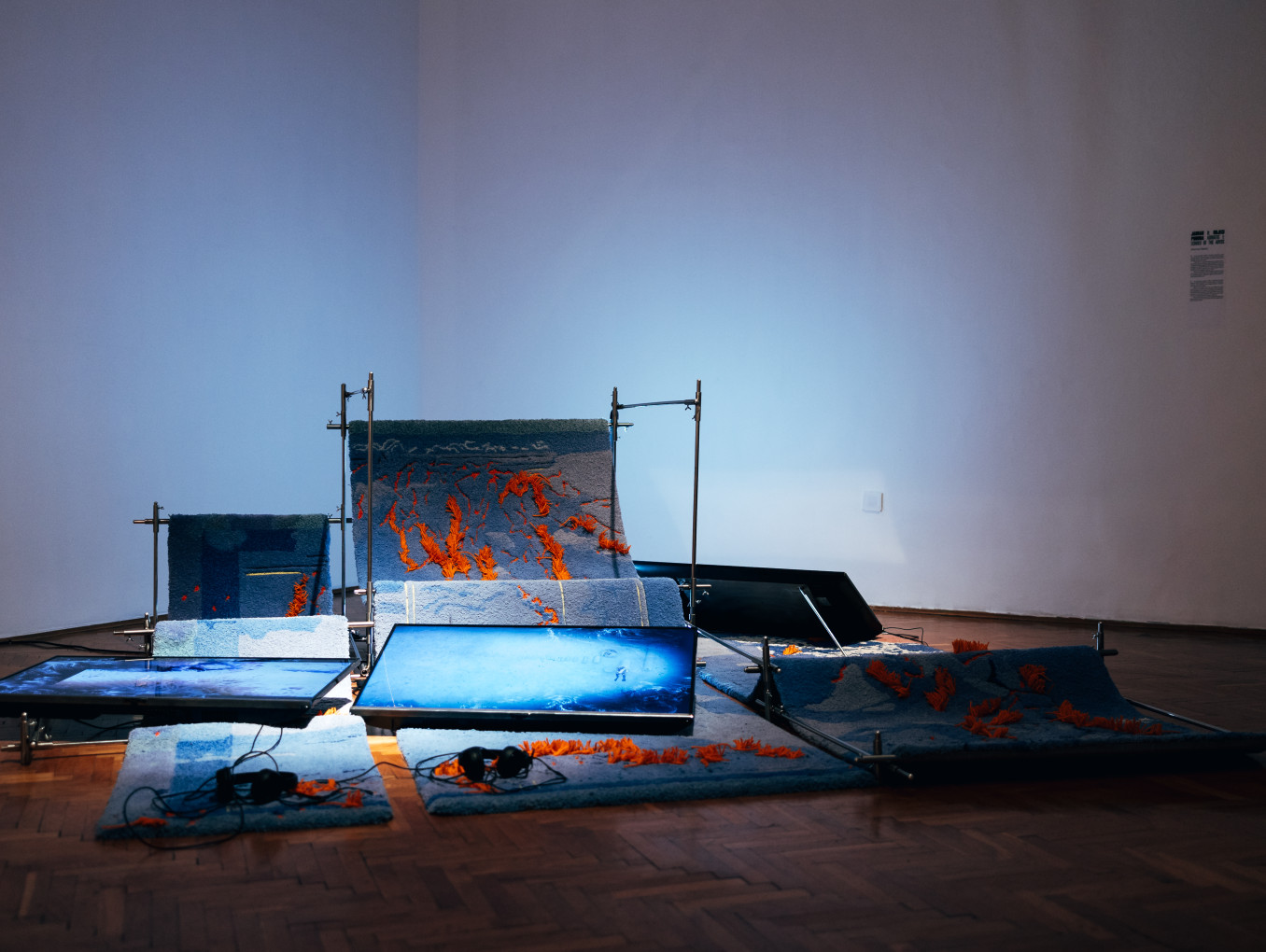
The interdisciplinary artist revealing the hidden environmental legacy of underwater military waste through art and science
Robertina Šebjanič is an artist and researcher working at the intersection of art, science and environmental inquiry. At the Falling Walls Science Summit, she was recognised as a Global Call 2025 finalist in the category Science Breakthrough in Art and Science for Echoes of the Abyss, a project that explores the legacy of dumped chemical munitions on the ocean floor, transforming scientific research into immersive artistic experiences.
We spoke to Robertina about the inspiration behind Echoes of the Abyss, the role of art–science collaboration in addressing environmental crises and the next walls that must fall to foster more inclusive and interdisciplinary research cultures.
What is your breakthrough project, and what is the inspiration behind it?
My breakthrough project, Echoes of the Abyss, investigates the hidden legacy of dumped (chemical) munitions on the ocean floor. It emerged from research carried out during my artist in residencies aboard the TARA vessel in the Baltic Sea and within the MADE IN Platform in the Adriatic region. Inspired by the contrast between the ocean’s vastness and its largely invisible wounds, the project Echoes of the Abyss transforms scientific research into immersive sensory and narrative experiences, making these underwater violent histories tangible, accessible and emotionally resonant.
What real-world impact do you hope your project will have in the next 5–10 years?
I hope Echoes of the Abyss will raise awareness of submerged military waste as a serious environmental and geopolitical issue. By connecting art and science, the project aims to make this hidden problem more visible and accessible - supporting public debate, education and policy development. It also advocates for long-term monitoring and research. Ultimately, the work seeks to empower communities to demand greater transparency and stronger environmental accountability.
How do you see the future of art and science evolving?
As global shifts and environmental crises intensify, collaboration between art and science needs to move beyond traditional boundaries and create real spaces for dialogue, understanding and action. By bringing together knowledge, creativity and critical reflection, art–science practices can help us respond to damaged ecosystems, support communities and offer hopeful visions that remind us meaningful change is still possible.
In your view, what should investors and funding bodies be focusing on right now?
From my perspective, our society is still struggling to respond to major challenges on a truly global scale. While some parts of the world live in relative stability, many others continue to face gender-based violence, hunger, economic insecurity and forced migration—often driven by geopolitical conflicts, war, conscription and ecological disasters. These inequalities are far from resolved, and they shape everyday life for millions of people.
In this context, funding bodies should support long-term and interdisciplinary projects that engage with environmental damage, social (in)justice and stronger social responsibility. More flexible funding models could help sustain meaningful collaborations between artists, scientists and communities, while also allowing space for risk-taking and experimentation, both of which are essential if we want innovation to lead to real and lasting change.
How has this programme supported or influenced your work?
Being a finalist in the Falling Walls Award programme has given the project Echoes of the Abyss strong visibility within the interdisciplinary field. It opened up valuable access to scientific expertise, international cultural networks and broader audiences, which helped strengthen both the conceptual and methodological depth of the work. Most importantly, it affirmed the importance and relevance of long-term, research-based artistic practice.
What are the next walls to fall in research and/or the arts? And which should fall?
One of the biggest challenges is the divide between disciplines, institutions and different ways of knowing. It’s crucial to create opportunities for open collaboration, shared authorship and deeper exchange; not just between artists and scientists, but also with communities, more-than-human entities and beyond. Another key challenge is the unequal access to resources, infrastructure and visibility. Actively working to remove these barriers can help foster more inclusive, ethical and impactful cultures of research and artistic practice, ultimately supporting better ways of living for all.
Unsubscribe any time. You’ll find our data privacy policy here.