Science Breakthroughs Success Stories: Colette Wabnitz
Global Call Category Women's Impact Award
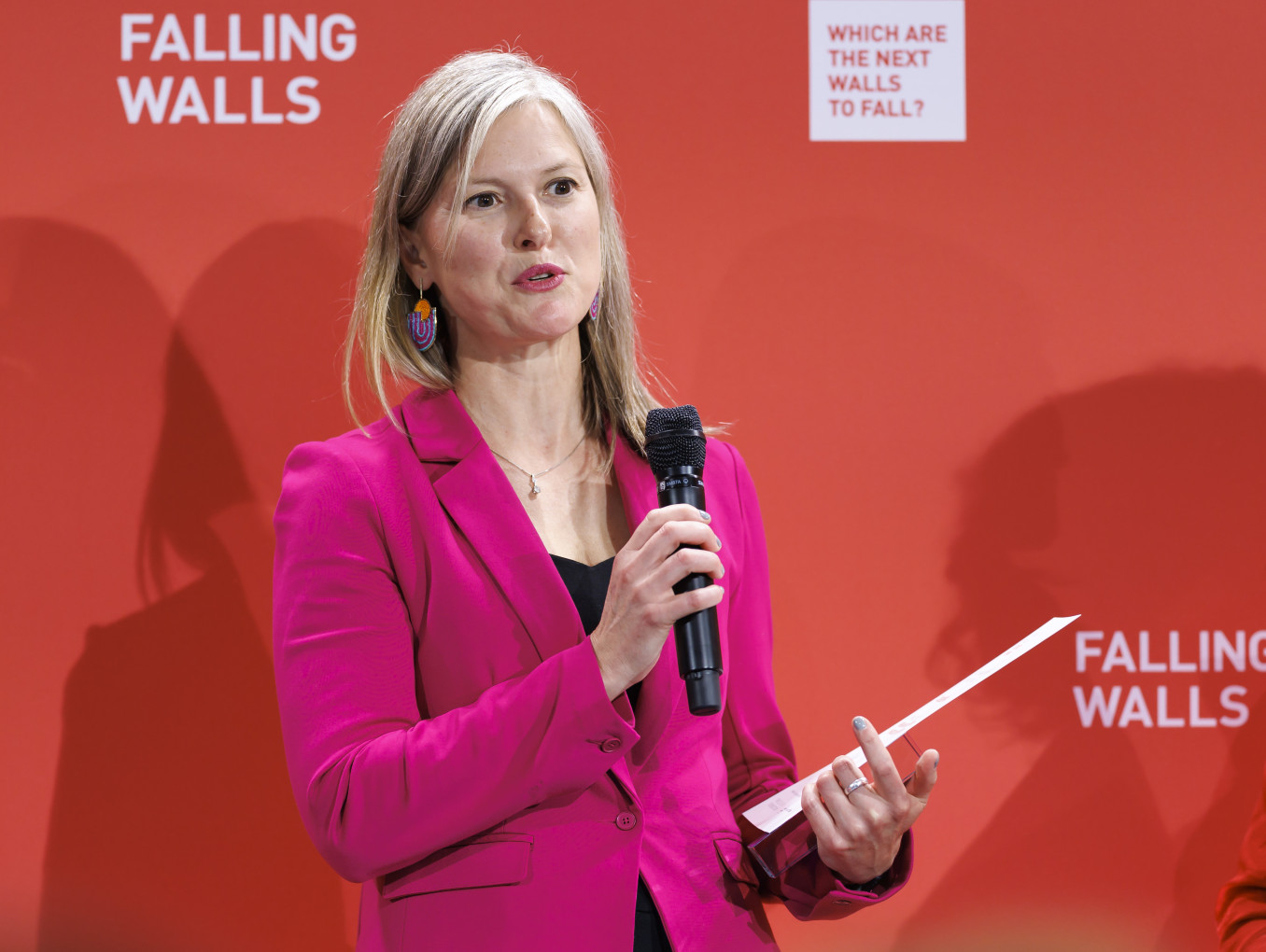
The scientist advancing ocean sustainability through data-driven conservation
Marine scientist and 2025 Falling Walls Winner in the Women's Impact Award category, Colette Wabnitz, works at the intersection of ocean science, policy and conservation to better understand and protect marine ecosystems. Her research focuses on the global seafood trade, marine resource use and the role of biodiversity in sustaining both ecosystems and livelihoods. Through her work, she provides critical data to inform more sustainable and equitable ocean governance, while actively working to elevate women’s voices in marine conservation.
We spoke to Colette about the science behind her work, her experience as part of the Falling Walls network and the challenges of translating marine research into real-world impact.
Looking back, what motivated you to apply for the Women’s Impact Award in 2025? What advice would you give to researchers considering applying for the Women’s Impact Award 2026?
This award places equity at its heart, recognising that science with purpose and meaningful societal impact must be built on that foundation—an imperative central to my values and all aspects of my work. To future applicants: speak from the heart and be authentic about the gender-related issue(s) your science confronts, the communities it serves and the change it seeks to drive.
Can you tell us more about your project and the inspiration or need behind it?
My work focuses on making visible women’s contributions in the fisheries industry; an area where they are often overlooked in data and decision-making. The project brings together evidence, policy analysis and co-developed insights with diverse partners to inform gender-transformative change. It was inspired by witnessing women’s central role in these communities and how often their voices are excluded from shaping solutions.
Looking ahead, how do you see the future of ocean governance? What are the next big things to happen in this field?
This is a hard one! I think we need to work on closing the gap between ambitious frameworks and inclusive, equitable reality. We have ambitious agreements and commitments in place; the frontier is ensuring that those who are most dependent on oceans, and therefore hardest hit by climate change, truly shape what comes next. This involves drawing on diverse knowledge and disciplines and holding systems accountable for just outcomes.
What key insight, inspiration or personal takeaway did you gain from attending the Falling Walls Science Summit 2025? What was the added value of being there in person?
The diversity of people, projects and perspectives—the creative energy, innovations, care and enthusiasm—were inspiring and left me thinking more expansively. The multiple formats created meaningful exchange. Being there in person allowed for spontaneous, wonderful coffee line conversations, while meeting the remarkable Female Science Talents made the experience truly impactful and deeply human.
In your view, what are the next walls which should fall in science and society?
The next walls to fall aren’t new. For decades we have known what equity and sustainability demand. Yet the world is moving backwards. The walls that must fall are those separating progress from humanity: that treat equity as negotiable, technology as an end in itself and our planet's health as a cost worth bearing. We know better. Now we must do better.
Unsubscribe any time. You’ll find our data privacy policy here.