
Physical Sciences
Our Science Breakthrough of the Year 2026 in the Physical Sciences category is David Awschalom: Breaking the Wall of Quantum with Molecules & Proteins!
David Awschalom was selected from nearly 200 submissions in the Physical Sciences category. He will present his project on the main stage at the annual Falling Walls Science Summit on 9 November.
Congratulations also to our nine finalists!
ABOUT THIS CATEGORY
In the Physical Sciences category, we seek visionary researchers pushing the boundaries of our understanding of the universe. From quantum physics to new materials, energy solutions, and beyond, we’re looking for groundbreaking discoveries that challenge existing knowledge, drive technological innovation, and address global challenges. This is where curiosity meets impact, shaping the future of science and society.
We showcase:
- Pioneering scientists and research teams making transformative discoveries in the physical sciences.
- Innovators tackling real-world problems through advances in physics, chemistry, and related fields.
- Game-changers redefining what’s possible with revolutionary ideas and cutting-edge scientific breakthroughs.
Your work will not only be evaluated for its significance in fundamental research but also for its potential to drive interdisciplinary solutions and reshape our world.
Subscribe to our Newsletter and don't miss any updates.
FINALISTS 2026
The Falling Walls Science Summit celebrates groundbreaking innovations that are reshaping our understanding of the universe and driving technological frontiers. This year’s Physical Sciences finalists explore transformative advances in areas such as sugar synthesis, quantum simulation, energy storage, biological opacity, and ice making. Their work exemplifies how cutting-edge science pushes the boundaries of knowledge and enables solutions with far-reaching global impact.


JURY 2026
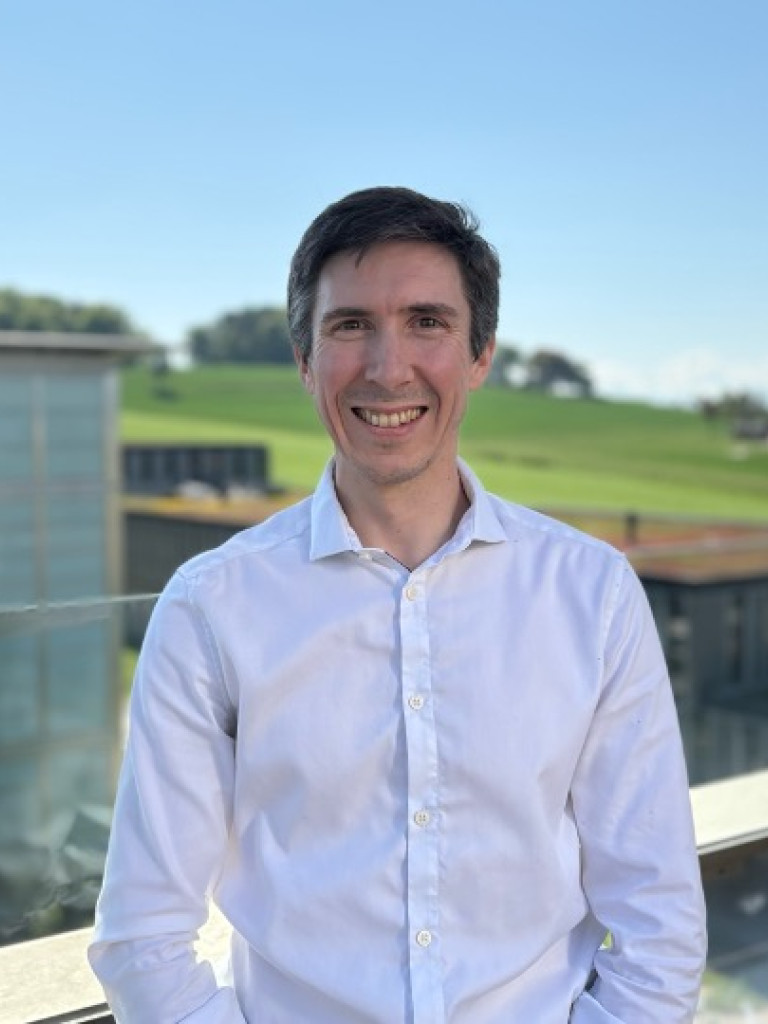
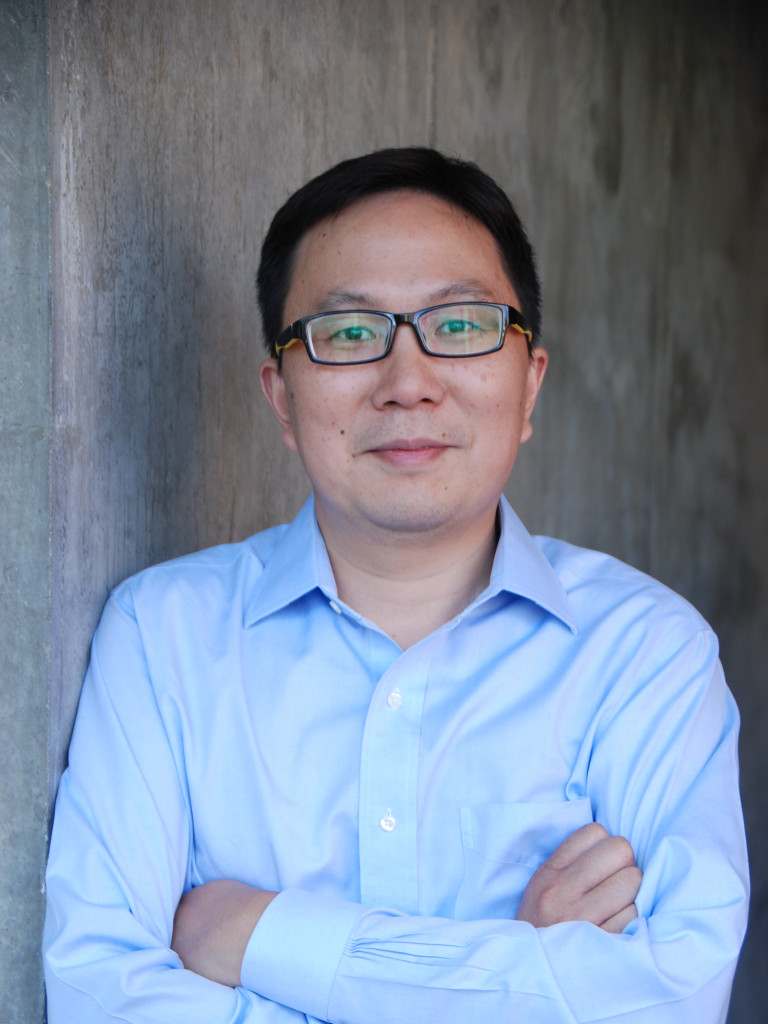
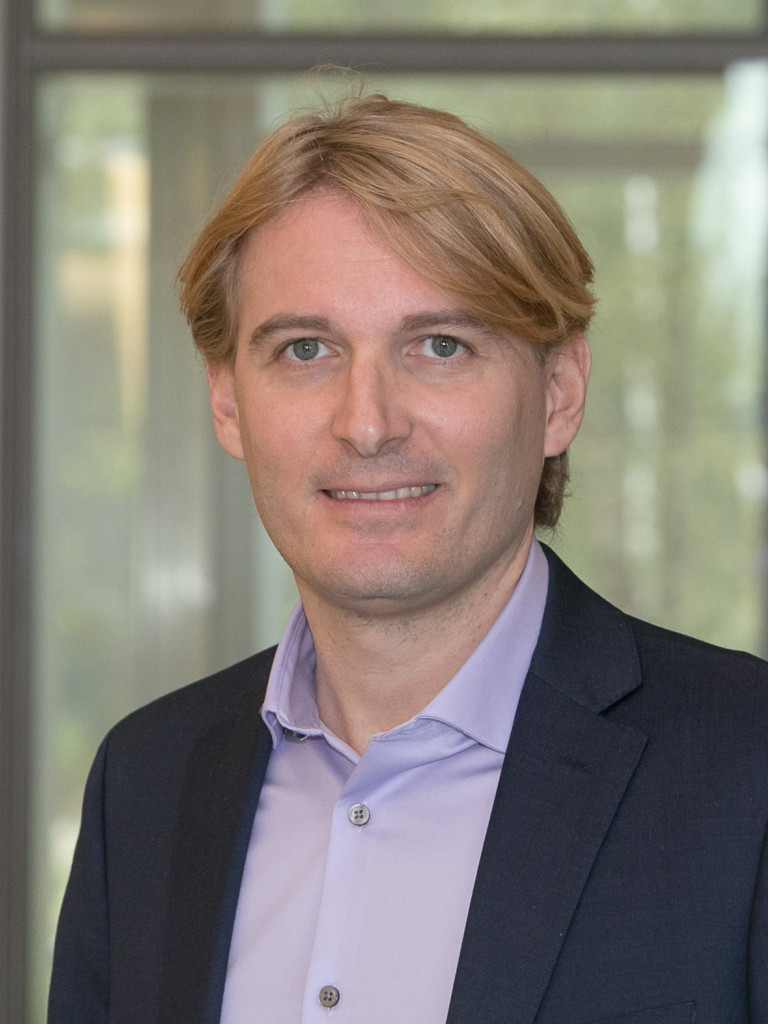
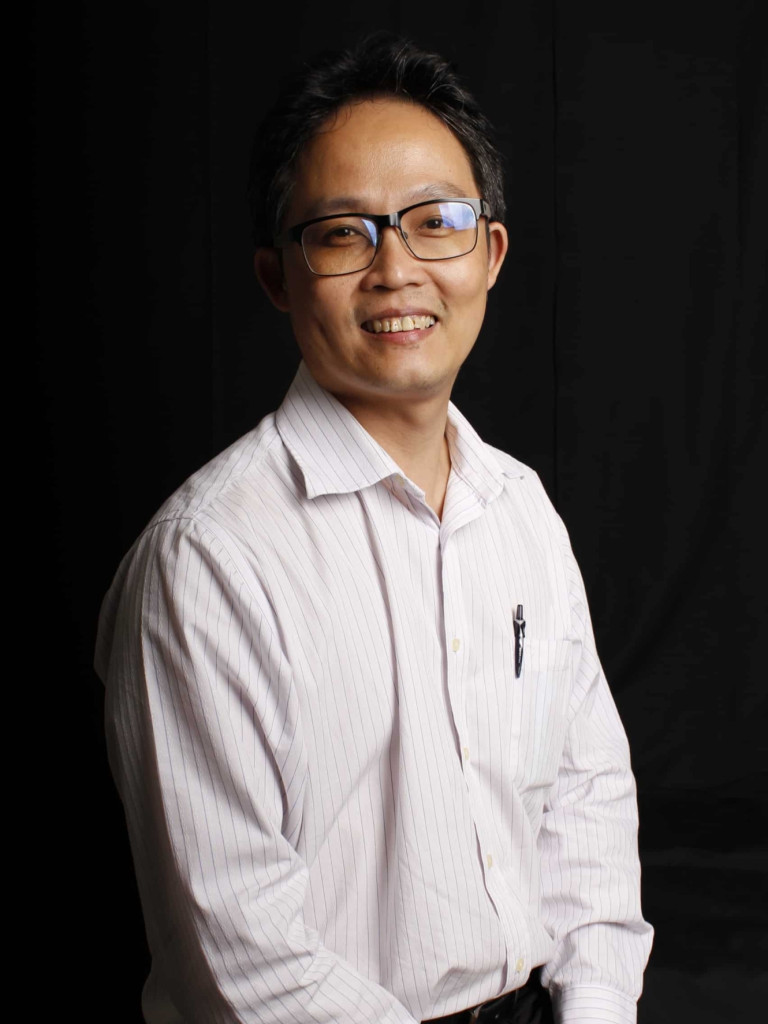
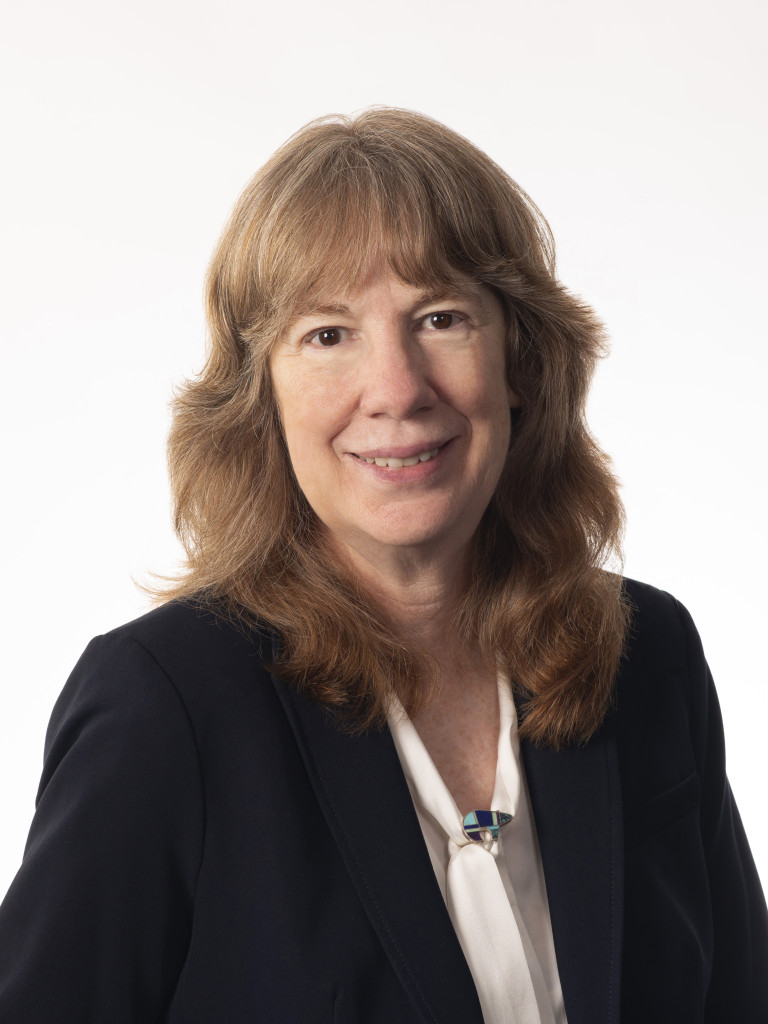
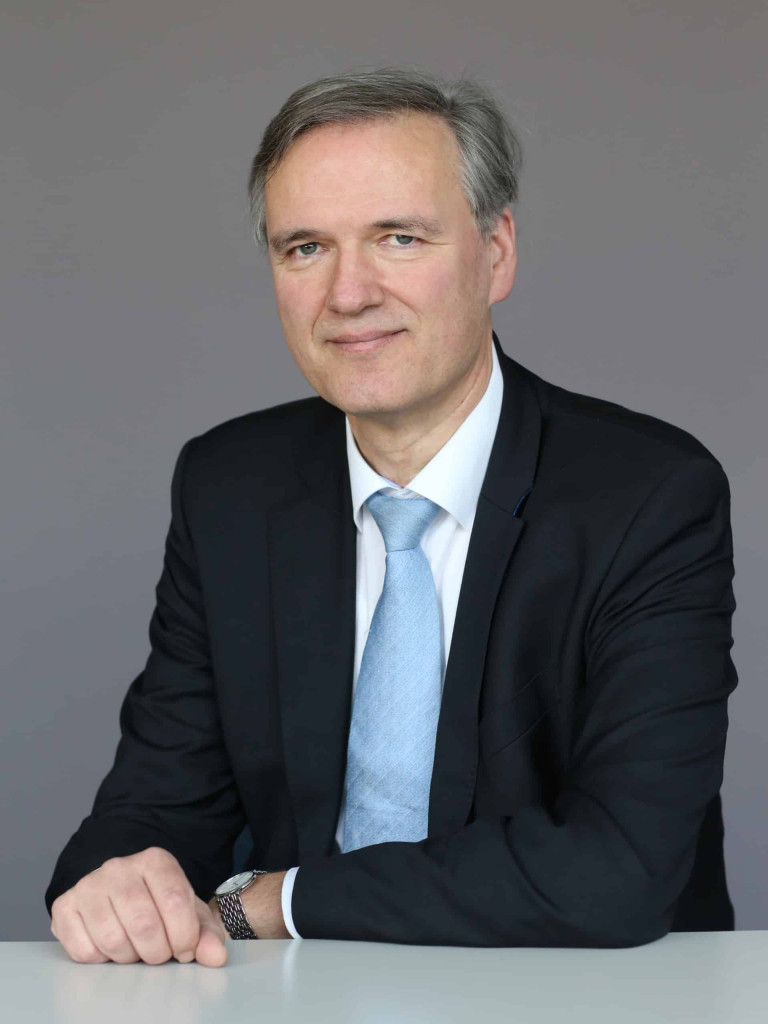
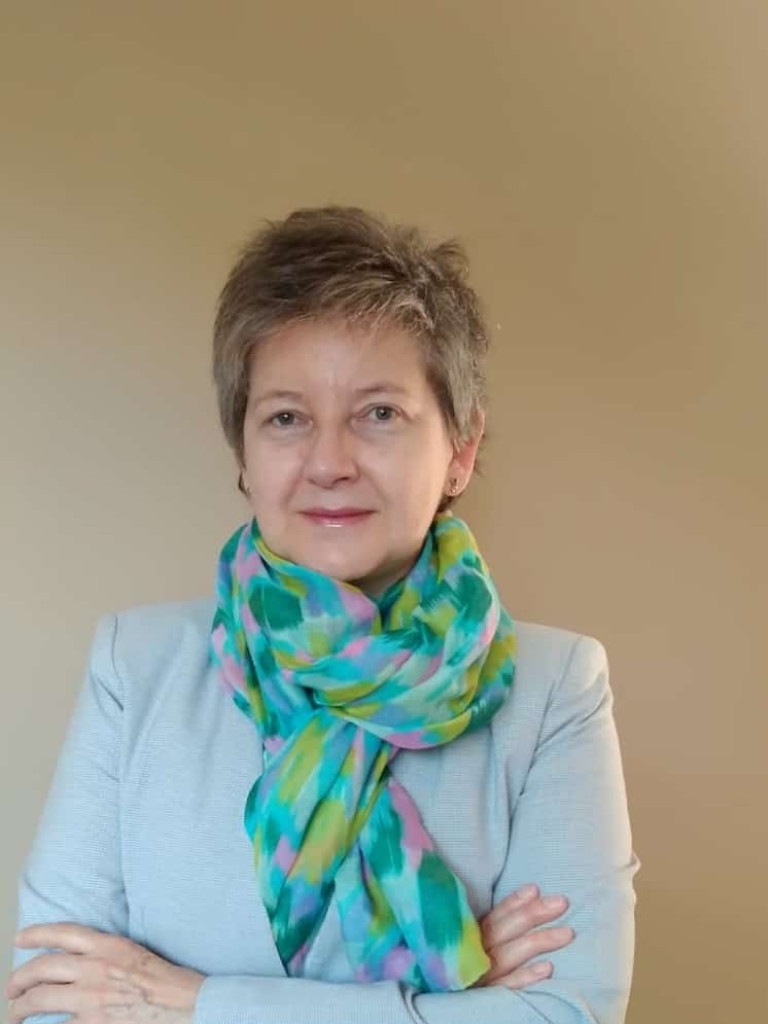
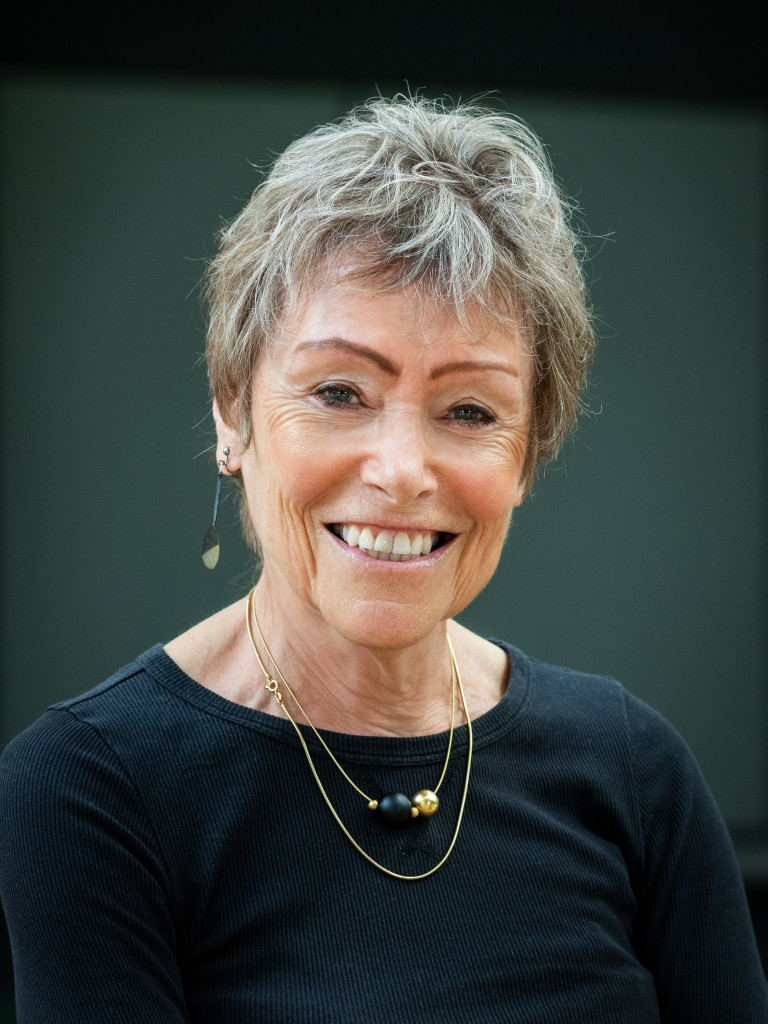
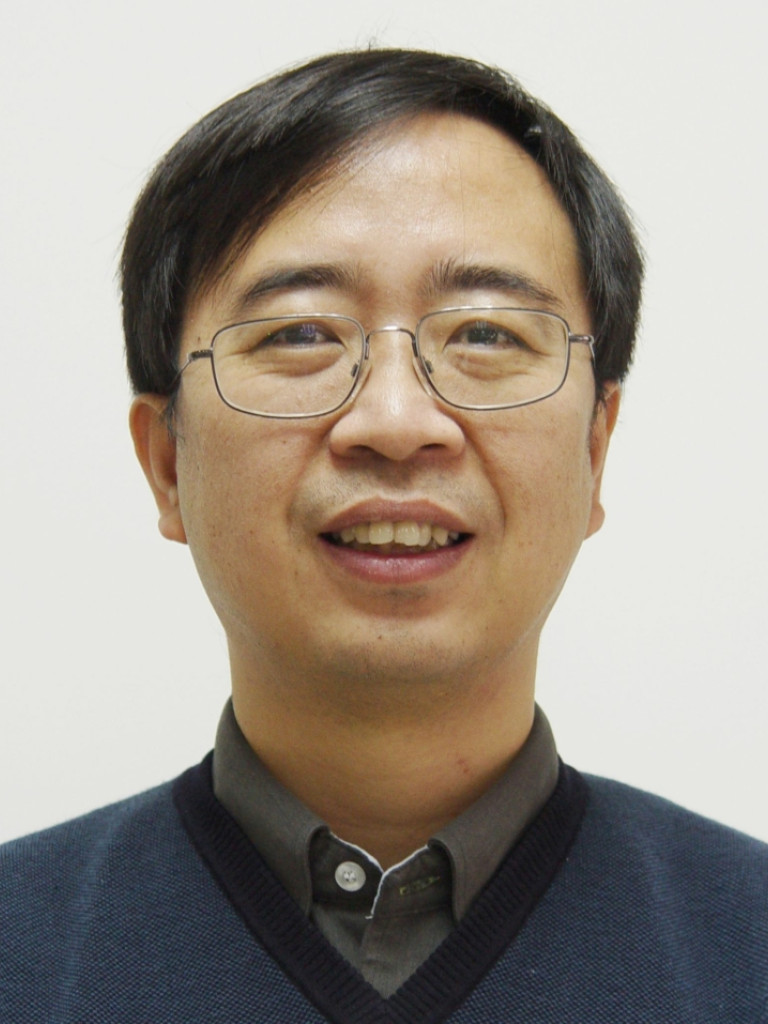
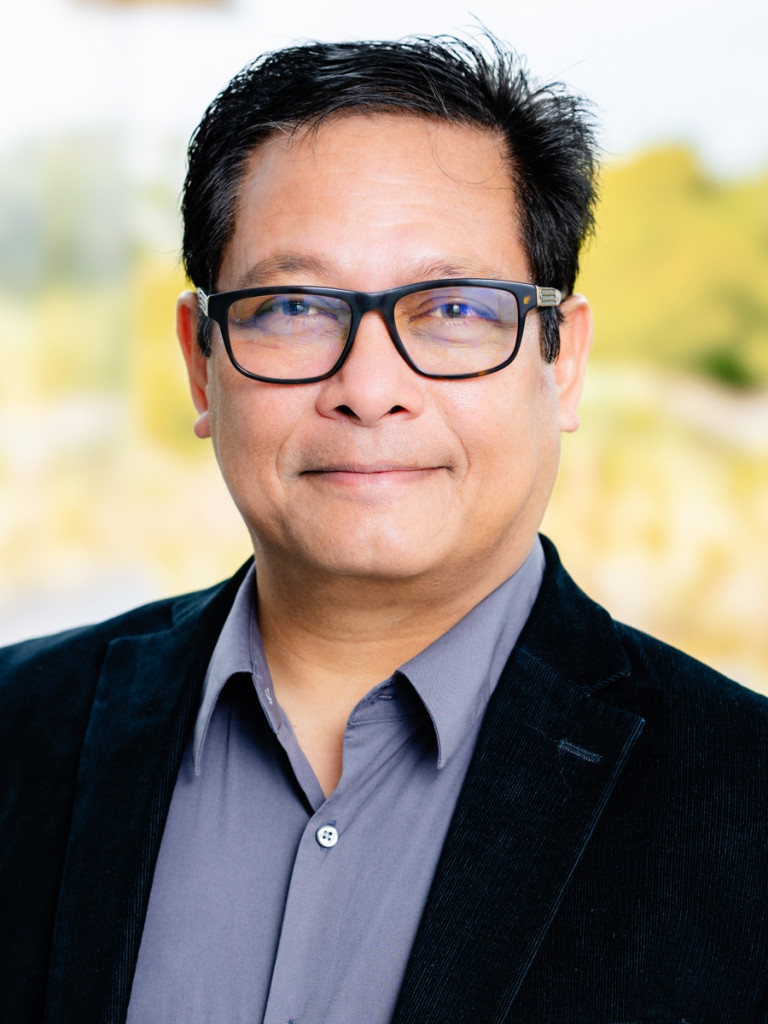
The Falling Walls Science Breakthrough of the Year 2026 in Physical Sciences is selected by a distinguished Jury chaired by Cather Simpson.






GLOBAL CALL FOR SCIENCE BREAKTHROUGHS - GET INVOLVED
Nominations for the Science Breakthrough of the Year in Physical Sciences may be initiated by leading academics, universities, research organisations, companies, private and public research centres, academies, research funders, foundations, and individuals.
Nominators of projects selected as finalists will receive a free ticket to the Falling Walls Science Summit in Berlin!
To submit your own project, please apply directly.
Please note that submissions must be completed in English.
If you have any questions, please do not hesitate to contact us via email. We are happy to help.
- Your work will be presented to a distinguished Jury and will get international visibility.
- Be a part of the Falling Walls network and interact with a wide range of decision-makers, innovators and emerging talents from all over the world. Join an interdisciplinary community that is committed to bringing down barriers to address common challenges.
- Get the opportunity to enjoy the Falling Walls Science Summit 2026, a four-day conference with inspiring keynotes, discussions, and exciting pitches. Be part of a community of the most important researchers and thinkers of our time and discuss breakthroughs with global leaders in science, politics, business, and the media.
- Take your chance to become the Falling Walls Science Breakthrough of the Year in Physical Sciences and present your breakthrough work to a global audience on 9 November 2026 on our main stage at the Falling Walls Science Summit in Berlin.
We will use our expertise and years of experience in science communication to help make your research accessible and engaging to a wide audience, and to highlight its impact on society.
STEP 1 – NOMINATION & APPLICATION
Leading actors in science and academia worldwide nominate individual scientists or research groups by submitting a nomination form via our online platform or apply directly by 30 April 2026. Nominated candidates will be contacted directly and asked to submit further details.
Self-nomination is also accepted.
STEP 2 – 30 SHORTLISTED APPLICANTS
Submissions that meet the standard requirements will be reviewed by the shortlisting jury and the jury chair, using our selection criteria (see below), to determine a list of 30 shortlisted applicants. The shortlist will be announced on our website in early July.
STEP 3 – 10 FINALISTS
Our distinguished jury for Physical Sciences, will evaluate all 30 shortlisted applications based on the selection criteria and choose ten finalists. The ten finalists will be announced in August.
STEP 4 – THE FALLING WALLS SCIENCE BREAKTHROUGH OF THE YEAR
The respective juries will select the Science Breakthroughs of the Year from the finalists of each category. On 9 November, the anniversary of the peaceful fall of the Berlin Wall, the Science Breakthroughs of the Year 2026 will take up the main stage at the Falling Walls Science Summit in Berlin.
We are specifically looking for projects that address global challenges and present scientific knowledge in an innovative way. Falling Walls always encourages interdisciplinary approaches to science and seeks outstanding scientists as well as research groups. The four selection criteria are:
- Breakthrough Potential: How much of a paradigm shift does the research represent? Are there excellent, ground-breaking, recent achievements in their respective fields, nationally and internationally?
- Level of Innovation: How new and original is this idea?
- Societal Relevance: How significant is the research for society today and in the future? Is there a positive effect on nature and humanity, in line with the Sustainable Development Goals?
- Academic Excellence: Is the research of outstanding quality and is it likely to have a significant long-term impact on the research landscape and to contribute towards solving global challenges? Is the research able to translate scientific topics and their complexities in a way that makes them accessible and attractive to large sections of society?
Each evaluation criterion is considered proportionally. Nominations and Self-nominations will be considered and evaluated within the category, but their potential for interdisciplinary problem-solving will also be assessed.
SCIENCE BREAKTHROUGH OF THE YEAR 2025 IN PHYSICAL SCIENCES
Jian-Wei Pan: Breaking the Wall of Practical Satellite Quantum Key Distribution
Jian-Wei Pan is a Professor of Physics at the University of Science and Technology of China, an Academician of Chinese Academy of Sciences, and a Fellow of the World Academy of Sciences. He serves as the Director of the CAS Centre for Excellence and Innovation in Quantum Information and Quantum Physics, and is the Chief Scientist for both the Quantum Science Satellite Project and the Beijing-to-Shanghai 2000-km Quantum Communication Backbone Project. Together with his team, Jian-Wei developed the world’s first quantum microsatellite for real-time quantum key distribution (QKD) using mobile ground stations. This innovation overcomes the limitations of terrestrial QKD and enables secure global communication networks for the future.
Representing Professor Pan and his team, Professor Cheng-Zhi Peng of the University of Science and Technology of China presented at the 2025 Falling Walls Science Summit.
SCIENCE BREAKTHROUGH OF THE YEAR 2025 IN PHYSICAL SCIENCES
Jian-Wei Pan: Breaking the Wall of Practical Satellite Quantum Key Distribution
Jian-Wei Pan is a Professor of Physics at the University of Science and Technology of China, an Academician of Chinese Academy of Sciences, and a Fellow of the World Academy of Sciences. He serves as the Director of the CAS Centre for Excellence and Innovation in Quantum Information and Quantum Physics, and is the Chief Scientist for both the Quantum Science Satellite Project and the Beijing-to-Shanghai 2000-km Quantum Communication Backbone Project. Together with his team, Jian-Wei developed the world’s first quantum microsatellite for real-time quantum key distribution (QKD) using mobile ground stations. This innovation overcomes the limitations of terrestrial QKD and enables secure global communication networks for the future.
Representing Professor Pan and his team, Professor Cheng-Zhi Peng of the University of Science and Technology of China presented at the 2025 Falling Walls Science Summit.
SAVE THE DATE: 6 – 9 NOVEMBER 2026 IN BERLIN
Unsubscribe any time. You’ll find our data privacy policy here.