Breaking the Wall of the Intangible
Breaking the Wall of the Intangible
Global Call 2026 Finalist Interview: Art & Science
Entangled Others is an award-winning experimental artist duo composed of Feileacan Kirkbride McCormick & Sofia Crespo. Their collaborative practice delves into the intricate web of relationships between the more-than-human world and its interaction with human technology. Through their work, they question notions of bias in technology, and the representation of natural species: proposing a return to a biological model of computation, exploring concepts of entanglement across species & ecosystems.
Which wall does your research or project break?
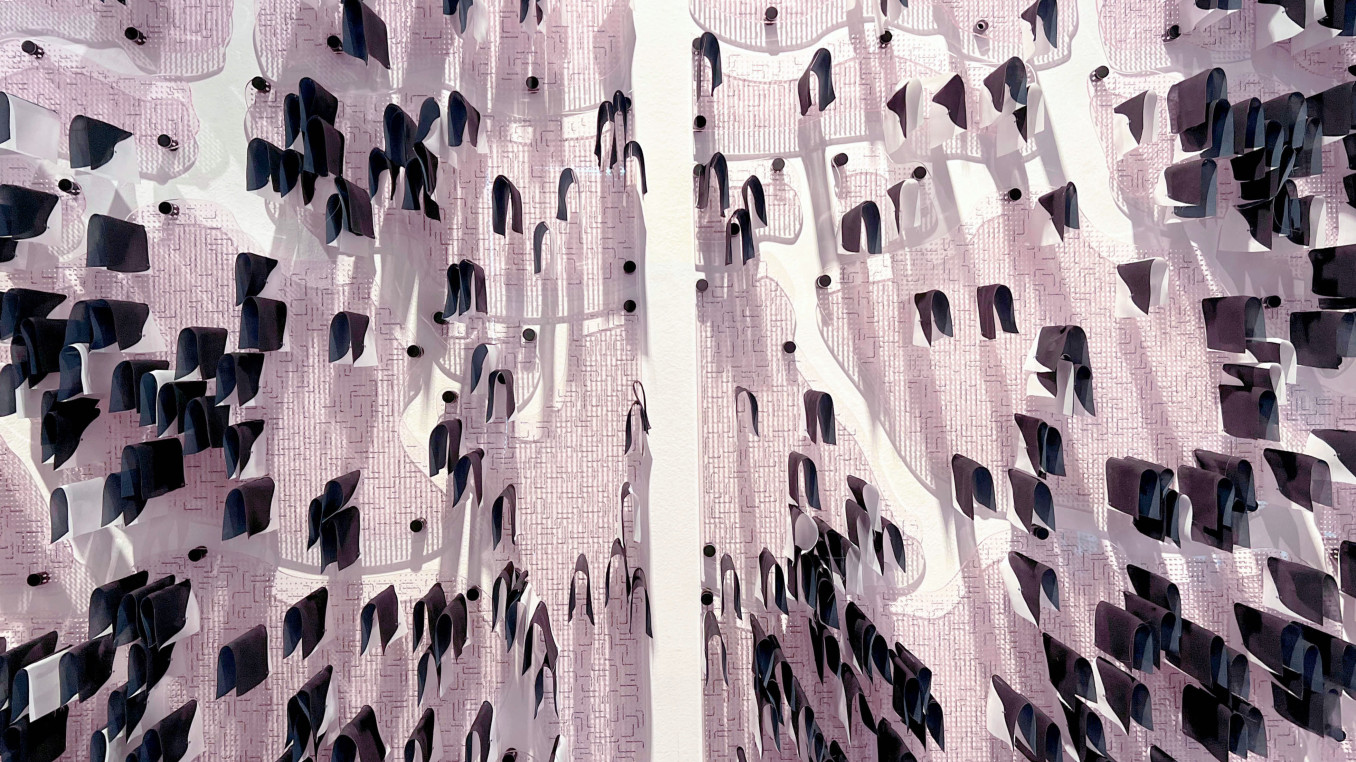
By attempting to use a variety of digital mediums to create physical installations that concern themselves with tracing the limits of our knowledge, the work grapples with how we create tangible "interfaces" into this realm of uncertainty in ways that hopefully spark interest and empathy not just in the scientific endeavour, but in the ecosystems and phenomena they study, e.g. Marine Snow, that otherwise might be entirely unknown.
What is the main goal of your research or project?
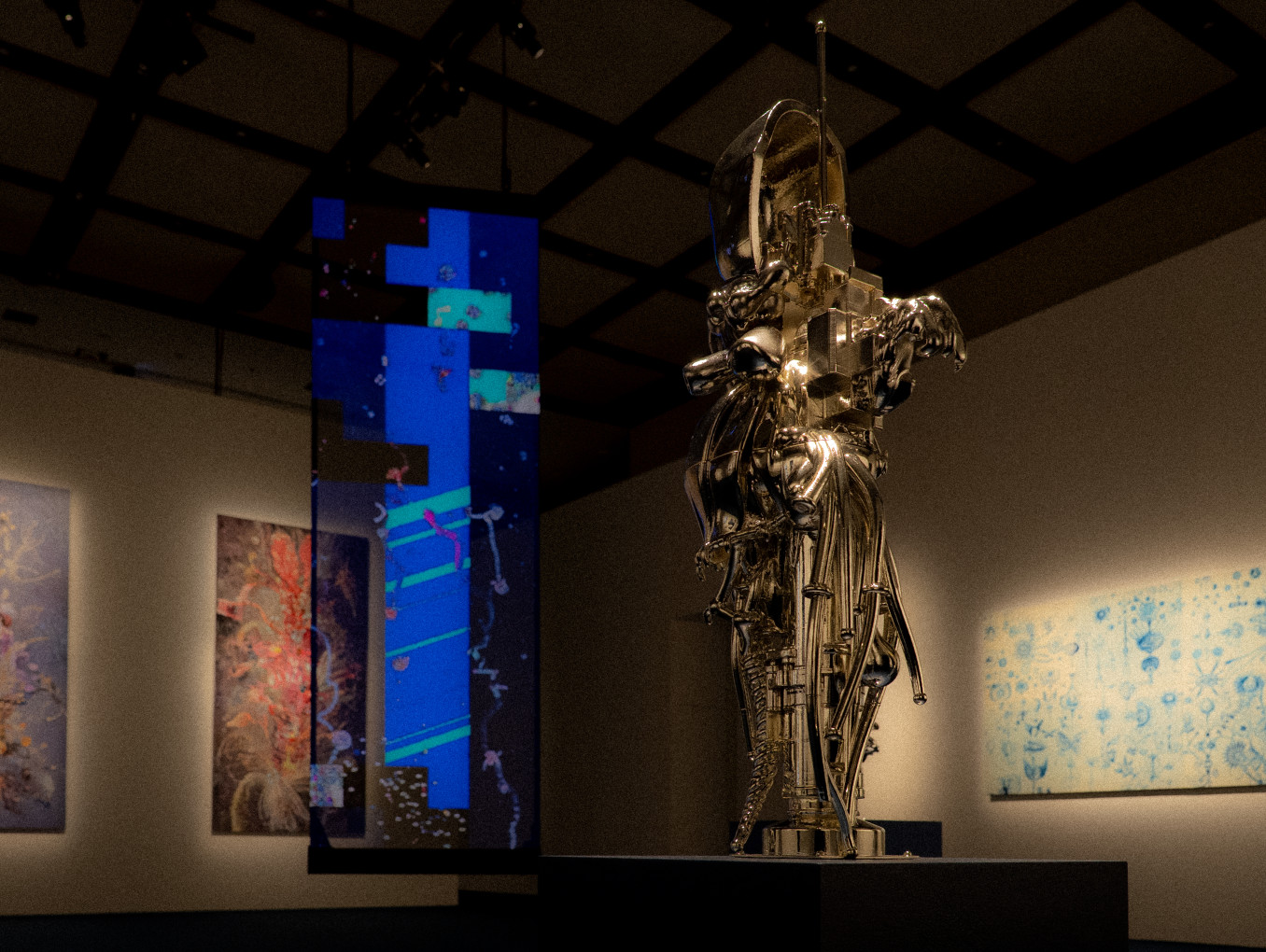
''liquid strata' and 'liquid strata: argomorphs' (its continuation) are an artistic attempt at coming to grips with how little we know/understand about what happens below the surface of the ocean. Through the combination of modelling phenomena (marine snow) and entangling the scientific instrumentation with the life they might encounter during their dives, the goal is to give form and representation to our lack of knowledge through the fragmentary tracing of its contours.
What impact does your research or project have on society?
The research discussed here builds in a large part upon the Argo float programme, an international collaboration currently under the growing threat of defunding. As this work and the research and development behind it has unveiled large gaps in our knowledge and understanding, it is ever more important to attempt to communicate that this programme exists and that it is of importance.
What advice would you give to artists at the start of their careers who are interested in working at the intersection of art and science?
When it comes to cross-disciplinary collaborations, one important aspect is to recall that whilst there may be a lot of overlapping interest between the arts and science, the framing can be very different and what might seem like shared vocabularies can have very different meanings. It is therefore critical to be curious and open, to ask and share not only your interests, but how you approach them so that both sides can find productive shared spaces to create within.