Breaking the Wall of Obligate Consumption
Breaking the Wall of Obligate Consumption
Global Call 2026 Finalist Interview: Art & Science
Rachel Armstrong is an EAM Fellow & EIC Ambassador, her work from protocells to microbial homes reveals life as original regenerative tech turning waste to resource.
Which wall does your research or project break?
Prof. Armstrong breaks the wall of Obligate Resource Consumption—the modern paradigm that positions buildings as extractive systems, taking from nature and returning nothing but waste. This linear flow breaks our fundamental contract with the living world, driving resource depletion, pollution, and deepening the disconnection from the biosphere that sustains us.
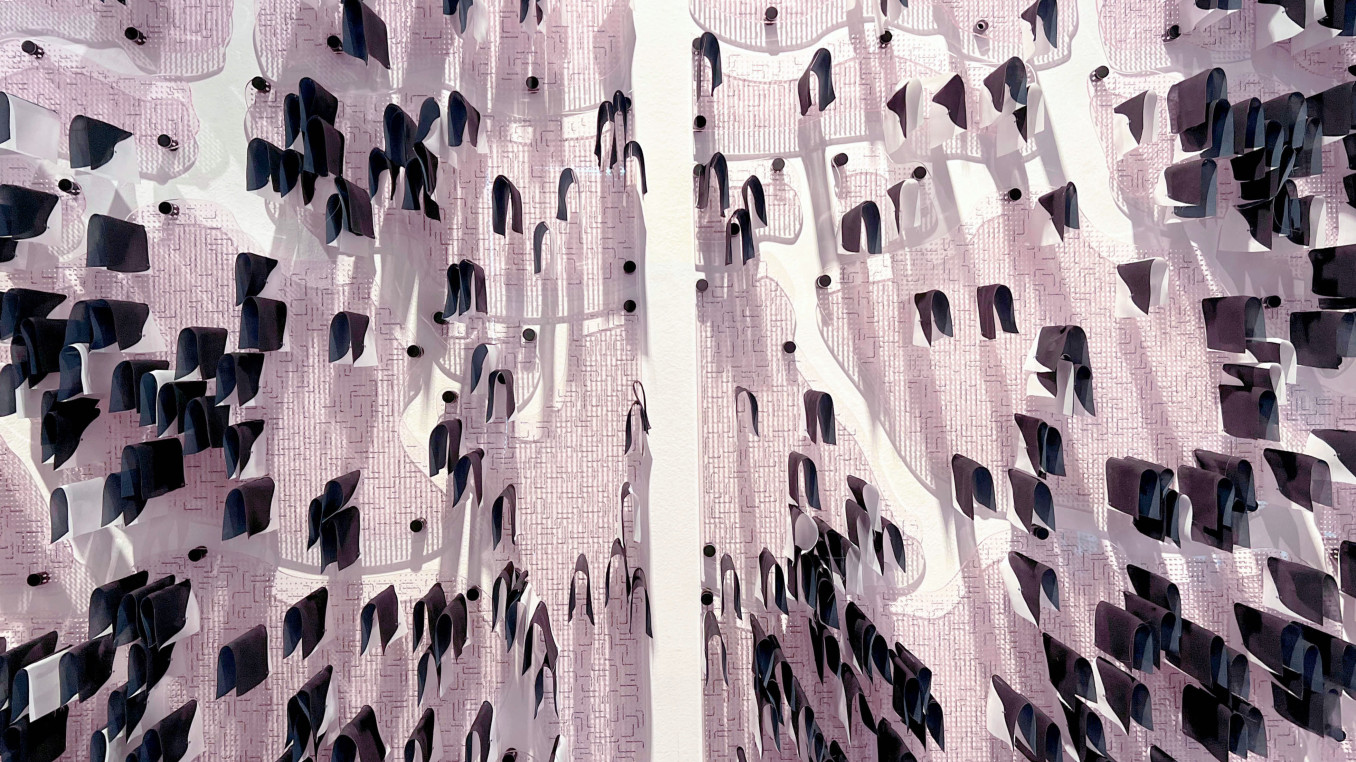
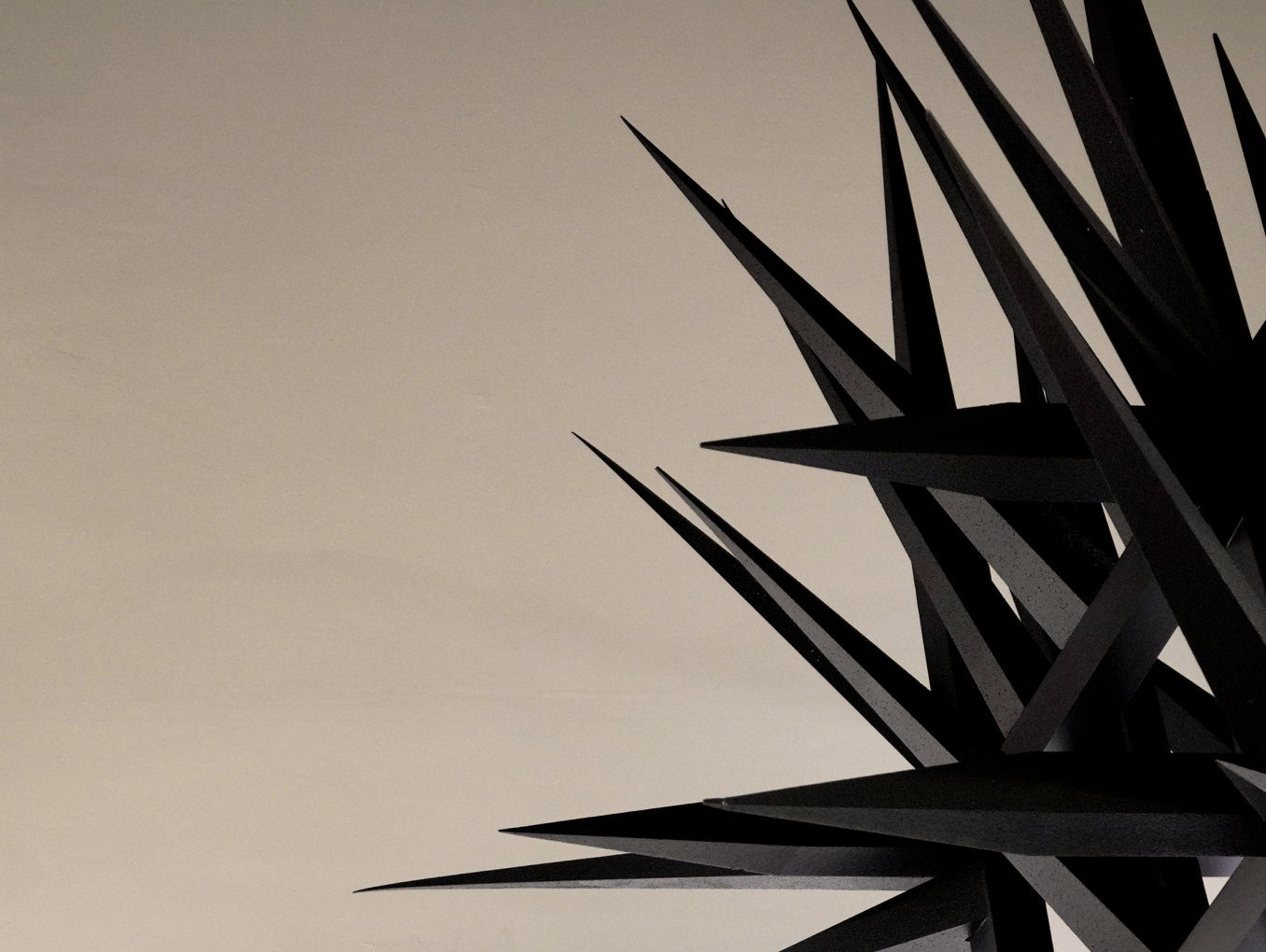
Our homes consume water, energy, and materials, yet we produce no food, generate no energy, and return no nutrients to the soil. This is a failure of reciprocity, which underpins nature’s cycles. Armstrong’s research reverses this trajectory by identifying microbes as the original investors in the biosphere. By embedding microbial technologies directly into building systems, she brings this world-making potential into the heart of the home. Through strategic sequencing of bioreactors—including microbial fuel cells (MFCs), hydroponics, and a novel prosthetic rhizosphere that mimics the root-soil interface—she channels the metabolic power of microorganisms to convert household wastewater into bioelectricity, clean water, plant nutrients, and biomass for green materials. Her projects Living Architecture (H2020 FET Open), Mi-Hy (EIC Pathfinder), and SPIKA (Milan Triennale 2025) demonstrate this loop at architectural scale, proving that homes can become active producers rather than passive consumers of resources.
In Mi-Hy and SPIKA, the prosthetic rhizosphere is the novel innovation: a programmable microbial interface that enables communities of microbes and plants to make resources from waste, closing the loop between pollution and produce. This philosophical reorientation rehabilitates microbes as essential partners and intelligent, responsive collaborators that have run Earth’s most circular economy for billions of years.
Her design-led installations at the Venice Biennale, V&A, and CIVA make this invisible metabolism visible, reconnecting inhabitants to the living processes that sustain them. Through protocells, mycelium biocomposites, and bioreceptive ceramics, she establishes the potential for a domestic economy where value is generated from matter otherwise discarded. Her work positions distributed, household-scale infrastructure as a strategy for planetary repair; she breaks the wall of Obligate Resource Consumption, restoring humanity’s role as a restorative creative force in the biosphere, becoming active participants in its regeneration.
What is the main goal of your research or project?
The main goal of Prof. Armstrong's research is to establish a new model for human inhabitation that is no longer environmentally damaging or extractive, freeing us from our dependency on fossil fuels while enabling households to become net contributors to planetary vitality. This cannot be achieved simply by consuming less or being more careful with resources—it demands a new platform that enables us to generate resources from the very act of living. By bringing microbial systems into our homes, she aims to design interfaces that enable genuine partnership with the organisms that run Earth's elemental cycles—the same microbes that make soils fertile and sustain the biosphere.
Her projects Living Architecture, Mi-Hy, and SPIKA pursue a prosthetic rhizosphere: a programmable microbial communications interface that directs bacterial and plant communities to transform household wastewater into bioelectricity, clean water, nutrients for food production, and biomass for green building materials. The aim is to rethink the domestic economy from the ground up—recognising that waste is not a process endpoint but a beginning of a new metabolism. Through strategic sequencing of bioreactors, her work reconfigures buildings as regenerative sites where inhabitants learn from microbes, observing how these "little things" sustain the largest systems on Earth.
In an era that Umair Haque describes as the "Age of Collapse"—a bottom-up unravelling of civilisation where climate change, economic decline, and social fracture impact the most vulnerable first—Armstrong sees diagnosis as identifying a way forward. By investing in microbial partnerships at household scale, she counters collapse by building resilience from the smallest elements upward. Her work restores humanity's role as a restorative creative force, proving that distributed infrastructure for resource generation offers a practical, regenerative path beyond extractive modern industrial development.
What impact does your research or project have on society?
Prof. Armstrong's research catalyses society's capacity to resist collapse by empowering individuals with the unexpected potency of microbes—organisms that resist commodification and remain accessible as partners rather than products.
By activating a domestic economy through microbial technologies, her work reduces household costs while revitalising living spaces and local ecosystems. Homes retrofitted with bioreactors transform waste into electricity, clean water, and nutrients, decreasing pollution and denaturing toxins before they enter municipal systems. Offsetting costs against resources generated in the home means household bills can be mitigated, softening the financial burden of daily life. Surplus resources enable local trading networks, promoting community resilience and interdependence. In an era of climate instability and fragile food systems, resilience at household scale becomes essential.
Her Mi-Hy platform and SPIKA building core demonstrate that a home can generate its own electricity, clean its water, and produce food—offering not just convenience but survival capacity during emergencies. In a crisis, Mi-Hy can power a 6G signal for communication while supporting a family with sanitation, purified water, power, and nutrition. This is not a panacea, but it provides the robustness communities need when stressed modern industrial infrastructure falters at a time of climate emergency.
Armstrong's work empowers people to make decisions and take action, summoning nature's creative power to protect the familiar and sustain life when urban systems are no longer working. By rehabilitating our partnership with microbes, she restores agency at a time of collapse, proving that distributed living systems offer a practical, regenerative path beyond extractive modern industrialisation.
What advice would you give to artists at the start of their careers who are interested in working at the intersection of art and science?
Think deeply. Think clearly. The thinking makes the work. Find a perspective that touches your soul so deeply it makes you restless. Surround yourself with people who ask questions nobody else thinks to ask. Do not worry if people do not "get" you. That is the journey—to be misunderstood, and to try again another way. The assumption that something is impossible simply because it has not been done before is a failure of imagination, not a fact. Do not be too worried about endpoints; research is a journey, not a destination. The most interesting paths are the ones that take their time revealing themselves; detours are not distractions but essential terrain.
Build your allies carefully, but do not let them tame you. Your role is to see beyond the technical—to imagine what does not yet exist and make it tangible. Scientists provide an engine and a critical lens, but you give that engine life and that lens an interface. You transform the value of their technical knowledge and set it free into the world through imagination and form.
Do not fear interdisciplinarity. Embrace the discomfort of not knowing. Reject silos—disciplinary, institutional, or intellectual—because nothing good ever grew in a silo. Stay curious. Stay restless. Remember that interdisciplinary research is not about having answers; it is about walking alongside others as they discover their own questions, trusting that the walking itself is enough. As Leonard Cohen wrote, "There is a crack in everything—that is how the light gets in." Let the cracks be where your work begins.
What inspired you to be in the profession you are today?
I want to understand life by building it, because the deepest questions about existence are answered not through observation alone but through the act of creation.
What is one surprising fact about your research or project that people might not know?
It's not science fiction—it's real, and it's working in prototypes today.
What’s the most exciting moment you've experienced over the course of your research or project?
Watching the work become a community—seeing people engage with and contribute to a six-metre living installation—was truly awesome.
Mi-Hy project, SPIKA website, ALICE website, Living Architecture, BioDesign AD, ORCID publications, Beyond the Petri dish, Toward the Microbial Home, Microbes will transform our town and city scapes, Biodesign for a culture of life, A modular microbial–hydroponic system for circular urban plant cultivation (Mi-Hy) , SPIKA parasite production